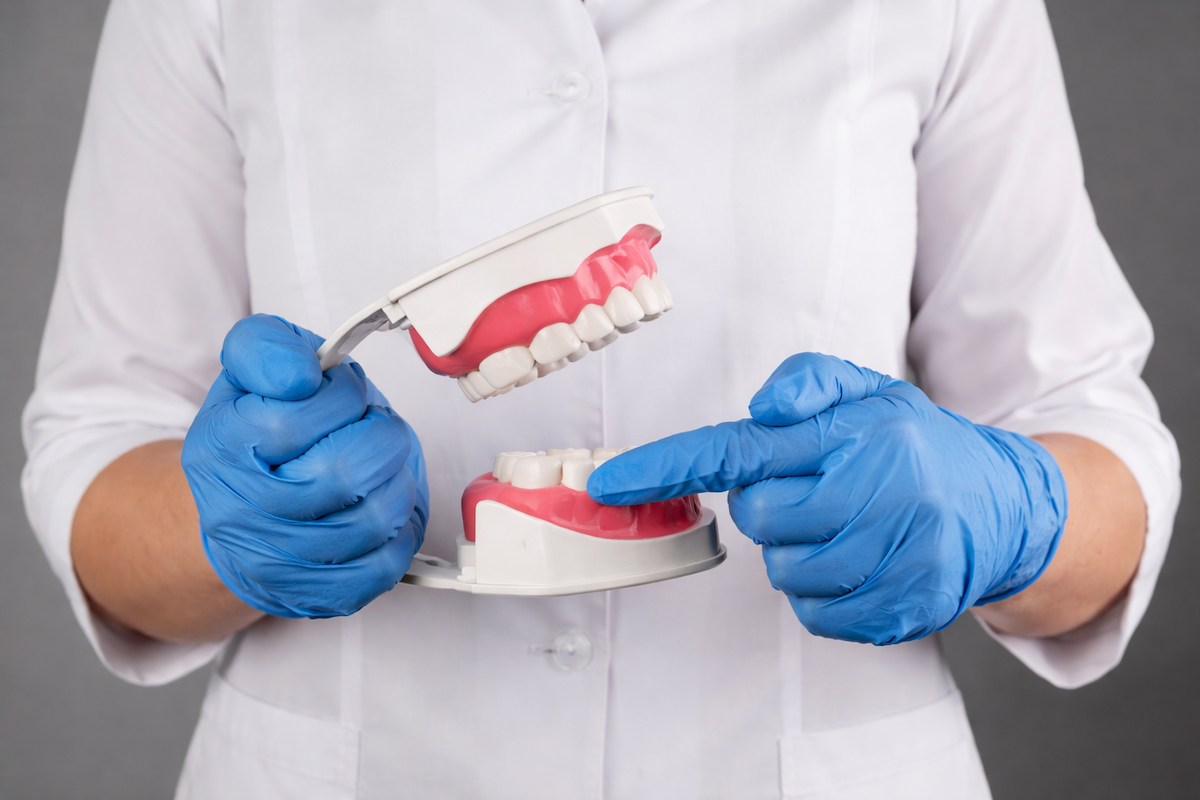

As we age, our teeth can shift out of alignment or develop cavities, making wisdom teethextraction or dental implants necessary to maintain a healthy and balanced smile. These procedures help protect the smile and facial structure, but many people are curious about whether removingwisdom teeth can actually change the shape of the face.
From personal experience, while removal can slightly affect the alignment of nearby teeth, it rarely alters the overall facial structure in a noticeable way. Understanding this common concern with contextually and semantically relevant information can ease curiosity and provide realistic expectations for anyone considering wisdom teethextraction or dental implants.
Why Wisdom Teeth Can Be Troublesome
When your wisdom teeth, the last teeth to come in, start growing, they can sometimes create more than just a small nuisance. From my experience in dental care, these teeth often lead to pain or infection, especially when they are impacted wisdom teeth. Impacted teeth can put pressure on adjacent teeth, cause crowding, and even damage the gums, bone, or other structures in your mouth. In some cases, large impacted wisdom teeth create noticeable discomfort, making extractions necessary to prevent long-term issues.
Many people worry that removing wisdom teeth might change the face shape, but in most cases, it doesn’t dramatically alter your appearance. The main reason for removal is to protect dental health rather than cosmetic changes. While swelling or slight facial adjustments can happen temporarily after extractions, these effects usually fade as the mouth heals. Personally, I’ve seen patients worry about changes that never actually happen—addressing pain, crowding, and damage from problematic wisdom teeth is always the primary concern.
Not All Wisdom Teeth Are Problematic
Not everyone with wisdom teeth faces trouble; some people have enough jaw space for all 32 adult teeth to align and eruptproperly without causing discomfort or infection. In my experience, when last teeth do cause pain or crowding, it’s often because impacted wisdom teethpress against adjacent teeth, remain partially submerged in the gums, or affect the natural position of other teeth. Extractions may be needed to protectdental health, and while removal can cause temporary swelling or slight facial adjustments, these effects fade as the mouthheals, and they rarely alter overall appearance. Addressing long-term issues, pressure, and damage from problematic wisdom teeth is always the priority, even if patients worry about changes in face shape.
Understanding When Wisdom Teeth Aren’t Impacted
Not all wisdom teeth cause problems. Some people have fully developed mouths with enough room for all 32 teeth to grow in proper alignment, while others may experience misalignment or crowding of other teeth in the mouth. From my experience, when third molars grow at unusual angles, either obliquely or not fully vertically, they can lead to pain or discomfort, but many wisdom teeth erupt without issues and do not require removal.
Even when impacted third molars are present, removing them rarely changes face shape. I’ve seen cases where people worry about cosmetic changes, but the main goal is to protect dental health and prevent problems such as misalignment, crowding, and pain. Understanding this can help patients experience the process with less stress, and it’s important to note that not every wisdom tooth poses a concern, so decisions should be made carefully after evaluating each individual mouth.
How Wisdom Teeth Might Affect Your Facial Appearance
- Crowding Pressure
When wisdom teeth push against existing teeth, it can cause alignment issues and subtly affect the jawline. This is usually minor but can make teeth look a little tighter or uneven.
- Jaw Inflammation and Pain
Impacted or crowded teeth may cause pain, swelling, or infection, leading to temporary puffiness or asymmetry in the facial appearance. This usually resolves once the area is treated.
- Post Extraction Healing
After a wisdom tooth extraction, post-extraction healing can temporarily alter the face shape due to swelling. Once the area heals, the facial structure returns to a normal state, often appearing more relaxed and balanced as inflammation and tension are reduced.
- Long-Term Effect
In most cases, wisdom teeth do not permanently change face shape. Any changes are usually temporary and related to healing or minor adjustments from crowding.
Why Wisdom Teeth Are Often Removed
Wisdom teeth extraction is one of the most common oral surgeries performed in the United States, usually by an oral surgeon using local anesthesia. The recovery period is generally short, but removal may be necessary if the teeth are impacted, not erupting properly, or causing pain and swelling at the back of the mouth. Other concerns include infection, cyst formation, and crowding that affects smile alignment.
Before deciding on extraction, the oral surgeon takes X-rays to evaluate the position of the teeth in the jawbone and determine how much space is available for proper growth. These images help assess whether removal is the best course of action and show how the teeth sit in relation to other structures. From my experience, timely wisdom teeth extraction can prevent long-term dental problems and avoids unnecessary pressure or misalignment that could temporarily affect face shape.
How Regular Checkups Help Manage Wisdom Teeth
The best way to avoid complications with wisdom teeth is to have them evaluated early through regular dental checkups and panoramic X-rays, which allow your dentist or oral surgeon to track how your teeth are developing. By catching issues in time, you can prevent pain, infection, or bite misalignment before they start, and routine visits also help determine whether extraction is necessary or if your wisdom teeth can remain without causing trouble, reducing pressure or misalignment that might temporarily affect face shape.
What Happens to Your Face After Extraction
Many people worry that wisdom teeth extraction will change their face shape, but removing these teeth does not permanently alter your appearance. You might notice some mild swelling or a softer jawline during the healing process, which is temporary. From my experience, this is completely normal and part of the recovery as your facial structure adjusts.
Typically, within two to three weeks, the recovery is complete, and your face returns to normal. Some people even feel their face looks more balanced and comfortable afterward because the tension and inflammation from impacted teeth are gone, leaving the process smooth and natural. This shows that any visible changes are temporary and mainly related to healing rather than actual reshaping of your face.
Key Reasons for Wisdom Teeth Removal
- Impacted Teeth
Wisdom teeth that lack enough room to come in properly can push against neighboring teeth or the jawbone, causing damage or long-term problems.
- Infection or Abscess
An abscessed tooth or infection around a wisdom tooth can spread if not treated, making extraction essential to protect oral health.
- Crowding and Alignment Issues
Crowding from adjacent teeth or misaligned wisdom teeth can disrupt your smile and bite, which an oral surgeon can assess during regular checkups.
- Diagnostics with X-Rays
Oral exams and x-rays help locate each individual tooth in its socket, measure space, and assess neighbors’ roots and crowns, especially with four adult premolars during adolescence (ages 12-16).
- Preventive Care
Early evaluation allows potential symptoms like pain, inflammation, or gum tissue issues around an affected molar to be addressed, ensuring the tooth is safely taken out and reducing temporary effects on face shape.
- Long-Term Benefits
Timely treatment helps maintain a balanced jawline, minimizes damage to other teeth, and keeps the mouth healthier overall, offering peace of mind and a smoother recovery.
FAQ’S
How long does it take for wisdom teeth extraction to heal?
After wisdom teeth extractions, swelling and pain usually subside within two weeks, but sometimes inflammation or discomfort can last longer. During recovery, your oral surgeon can suggest options for treating any post-extraction issues to support healing and minimize temporary changes in face shape or the jaw. A quick consultation and proper care help ensure your teeth and mouth return to normal smoothly.
Can wisdom teeth cause other teeth to become crooked?
If your jaw doesn’t have enough space, the pressure from eruptingwisdom teeth can pushsurrounding teeth out of alignment, leading to crowding, misalignment, or changes in bite and dental structure. Over time, this can subtly affect face shape and oral health, as the teeth movement shifts the jawbone and overall balance of the mouth.
Conclusion
If you’re worried about how your teeth might affect face shape, it’s important to get them checked out early. Impacted wisdom teeth or other problems like infection or losing a tooth can affect your smile and facial structure if left untreated. Scheduling a consultation with an oral surgeon or dentist for early evaluation can prevent long-term dental issues such as crowding, bone damage, or other complications, and wisdom teeth extraction helps preserve proper alignment, maintain your jawline, and avoid serious issues down the road.