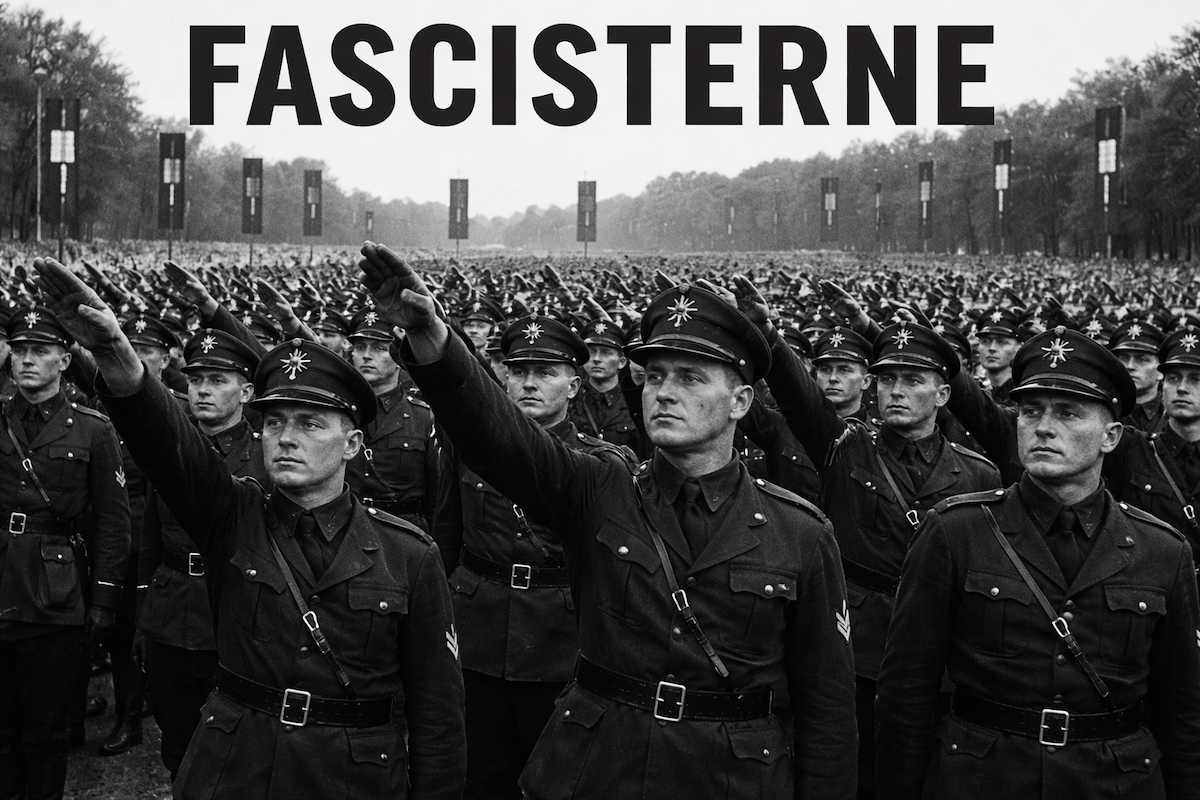

When I first started studying fascisterne, I was struck by how much history and human behavior it intertwines. At its core, this ideology combines nationalism and authoritarianism, shaping entire societies through power and identity. In post-World War I Europe, Italy and other nations saw the rise of movements that promised strength and unity but often delivered oppression. Observing figures behind these regimes and their key players reveals how extreme nationalism, militarism, and suppression of dissent became tools to control millions and leave lasting marks on humanity’s collective memory.
Reflecting on the historical context, it’s clear that fascisterne is more than a relic of the early 20th century; its elements echo in modern-day interpretations of governance and societies. Studying the complex history of World War II, the consequences of these regimes, and the underlying ideologies that fueled them, I gained insight into the tapestry of fear, emotions, and control they wove. Exploration of this past serves as both a reminder and a warning for generations, helping us understand how strength and power can sometimes mask deeper oppression and influence.
Historical Background of Fascisterne
After World War I, Europe was left in turmoil. Widespread economic crises, political instability, and societal unrest created an environment where extremist ideologies and radical ideologies could flourish. Many nations were burdened with debts and unemployment, while charismatic leaders emerged, promising leadership, stability, and a path to national rejuvenation. In Italy, Mussolini, or Benito Mussolini, leveraged nationalistic sentiments, using propaganda and appeals to unity to gain the trust of citizens desperate for change.
Germany faced similar upheaval. The Treaty of Versailles left the country bitter and weakened, while hyperinflation and political fragmentation added to the uncertainty. Hitler, also known as Adolf Hitler, capitalized on this environment by promoting racial superiority and the ideal of a pure Aryan race, vilifying minorities and using fear to gain support. The Nazi Party’s rapid ascent demonstrated how easily fervor and fear could be harnessed in such unstable times.
As fascism spread beyond borders, nations like Spain and Portugal adapted the core tenets of authoritarian rule to local conditions. Promises of authoritarian solutions, coupled with the fear of communism, allowed dictatorial regimes to solidify power throughout the 1920s and 1930s. This rise and consolidation created a gripping wave that defined a tumultuous period, highlighting the delicate balance between revival, support, and the often dangerous allure of chaos in shaping societies.
Nationalism, Racism, and Totalitarianism in Fascisterne
One striking aspect of fascisterne is the role of nationalism. It builds a sense of unity and loyalty among the populace, often pushing a strong feeling of pride. This can create an us versus them mindset, targeting outsiders or enemies and deepening divisions within society.
Racism works hand in hand with this ideology. Certain ethnic groups are seen as superior, which justifies oppressive policies against marginalized communities. This encourages strict conformity, shaping a culture where deviation is discouraged and the majority’s beliefs dominate.
Totalitarianism takes control to another level. Regimes aim for absolute control over both public life and private life, suppressing dissent through propaganda and violence. The state’s authority becomes overwhelming, limiting individual freedoms while keeping society tightly in line.
Together, these forces mobilize masses and maintain power while stifling diversity and curbing freedom of thought. The combination of nationalism, racism, and totalitarianism forms a powerful, dangerous, and unsettling set of intertwined ideologies, showing how unchecked influence can shape a nation’s national identity.
Influential Figures in Fascisterne
When exploring fascisterne, it’s impossible to ignore the impact of key figures like Benito Mussolini in Italy. His leadership, charisma, and emphasis on nationalism shaped the core principles of fascisterne, attracting followers eager for change. As an Italian leader, Mussolini established a framework that prioritized the state over individual rights, using propaganda to galvanize supporters and unify society under a singular national identity. His approach to authoritarian governance and militarism set the stage for others to follow, demonstrating how ideas and vision can influence a nation.
Adolf Hitler in Germany expanded these ideologies, intertwining racial superiority with the Nazi model, creating a regime defined by power, brutality, and the suppression of dissenting voices. Alongside them, Giovanni Gentile provided philosophical underpinnings and intellectual support that reinforced totalitarian tenets across Europe, promoting collectivism over individuality. These influential architects of fascisterne combined ideas, vision, and ideologies to produce a potent system, particularly effective during social unrest and economic instability, serving as lasting cautionary tales about unchecked authority and governance.
Modern Resurgence of Fascisterne
In today’s world, fascisterne often appears through nationalist movements that favor one ethnic group over others, promoting exclusive narratives based on tradition and cultural superiority. Social media platforms have become hotbeds for radical ideologies, spreading hate speech and creating echo chambers where extremist views and fringe ideas gain traction quickly. Political leaders sometimes use fascist rhetoric to galvanize support, exploiting fear of perceived threats and targeting minorities or immigrants to strengthen their power while distracting from pressing socio-economic issues.
At the same time, certain organizations openly embrace totalitarian principles, seeking control over society and its structure. They blur the line between patriotism and oppression, showing how historical ideologies can return in modern guises. This resurgence or revival is fueled by nationalistic rhetoric, socio-economic insecurities, and public discontent. Populist leaders promote divisive narratives that appeal to the marginalized or threatened, using the allure of simplicity amid complexity and the promise of lost glory to sway populations facing uncertainty. Awareness and vigilance are crucial, as these warning signs remind us how history can repeat itself if unchecked.
Societal Effects of Fascisterne
Fascist regimes left deep marks on societies throughout history, often rising amid economic turmoil and social unrest. Leaders took advantage of public discontent, offering promises of stability and national rejuvenation while consolidating power to control every aspect of life. Freedom of speech and dissent were suppressed through intimidation and violence, while propaganda glorified the state and vilified perceived enemies.
Under fascisterne, social structures were reshaped. Education systems emphasized loyalty to the regime instead of fostering critical thinking or respecting individual rights, intertwining citizens’ identities with state ideology and creating division within communities.
The impact extended to culture and art, as creativity was directed toward nationalist purposes, shaping societal norms that would take generations to undo after the fall from power. Political landscapes were transformed by conflicts, wars, and the reshaping of nations, leaving modern societies to deal with the lingering effects.
Economically, state control over industries disrupted capitalism and placed national interests above individual rights, while suppression of alternative national identities created enduring tensions. These legacies inspired human rights movements to prevent atrocities and provide lessons about the dangers of unchecked power and intolerance, with debates over nationalism, authoritarianism, and fascistic principles still shaping governance today.
Defeating Fascisterne in World War II
World War II became a defining moment against fascisterne, as totalitarian regimes under Hitler and Mussolini spread their power across Europe. Their beliefs drove aggression and caused massive destruction, prompting the Allies, made up of many nations, to fight back. Key battles like Stalingrad and D-Day turned the course of war, showing that the conflict was not only military but also a battle of ideals.
Resistance movements emerged within occupied countries, with ordinary citizens displaying bravery and determination against tyranny. These acts of defiance helped weaken fascist governments and shift momentum toward the triumph of democracy and freedom. By 1945, the collapse of oppressive regimes marked a historic victory, reflecting humanity’s struggle against oppression.
The war left a lasting impact on global consciousness, highlighting the dangers of authoritarian rule and the consequences of unchecked ideologies. The lessons of this period remind us of the importance of unity, courage, and vigilance in protecting civil liberties and resisting extremist influence in the modern world.
Learning from History to Recognize Fascisterne
History acts as a mirror, showing the consequences of unchecked ideologies like fascisterne. Authoritarian regimes often emerge from innocuous beginnings, and by studying past events, we can see how fear and division fuel extremist movements. Propaganda has always shaped public perception, drowning out rational discourse, and today’s digital landscape amplifies divisive messages at a speed that can influence millions.
Understanding the societal impacts of fascisterne is crucial. Suppressed dissent and marginalized communities highlight the dangers of ignoring historical context. Recognizing similar patterns in modern politics can guide citizens toward vigilance and critical thinking, helping them advocate for democracy, human rights, and awareness in an increasingly polarized world where the dangers of these ideologies still linger.
How Fascisterne Differs from Other Authoritarian Systems
Fascism or fascisterne shares some traits with authoritarian ideologies, but its unique features set it apart. Unlike communism, which aims for a classless society through state control of resources, fascism prioritizes national unity and identity over economic equality. Both totalitarian regimes and fascisterne demand loyalty to the state, yet fascism often glorifies militarism and warfare as a path to national greatness, in contrast to bureaucratic forms like Stalinist communism, which focus on industrialization rather than fervent nationalism.
Similarly, religious authoritarian movements may promote spiritual governance rooted in divine principles, but fascist ideology tends to reject traditional religion in favor of secular, dogmatic devotion to the nation-state. This blend of extreme nationalism and anti-communist sentiment creates division and conflict, instead of collective harmony or social cohesion seen in other systems. The ideology of fascisterne thrives on contrast and distinct features, making it a unique and dangerous force within authoritarian frameworks.
Conclusion
The legacy of fascisterne warns of the risks posed by radical ideologies and an authoritarian state that suppresses opposition. In Europe, these regimes eroded civil liberties and democratic values, using nationalism, racism, and totalitarianism to justify violence and discrimination. By examining the origins, key figures, and traction gained during turbulent times, we understand how societal changes and oppression took root, leaving patterns and past atrocities that still inform us today. The aftermath of World War II sought to dismantle these structures, yet modern resurgence of similar ideologies shows the need to recognize warning signs in the current political landscape.Promoting awareness and involving communities is crucial to prevent extremist beliefs from taking hold in new guises. Preserving memory allows us to honor those affected and guide future generations toward a just world free of hatred. History acts as a guide and cautionary tale about unchecked power and extremist ideologies, reinforcing their ongoing relevance. By encouraging tolerance, nurturing open dialogues, and empowering individuals to challenge hatred, we can avoid repeating past mistakes and safeguard society from the dangers of fascisterne.