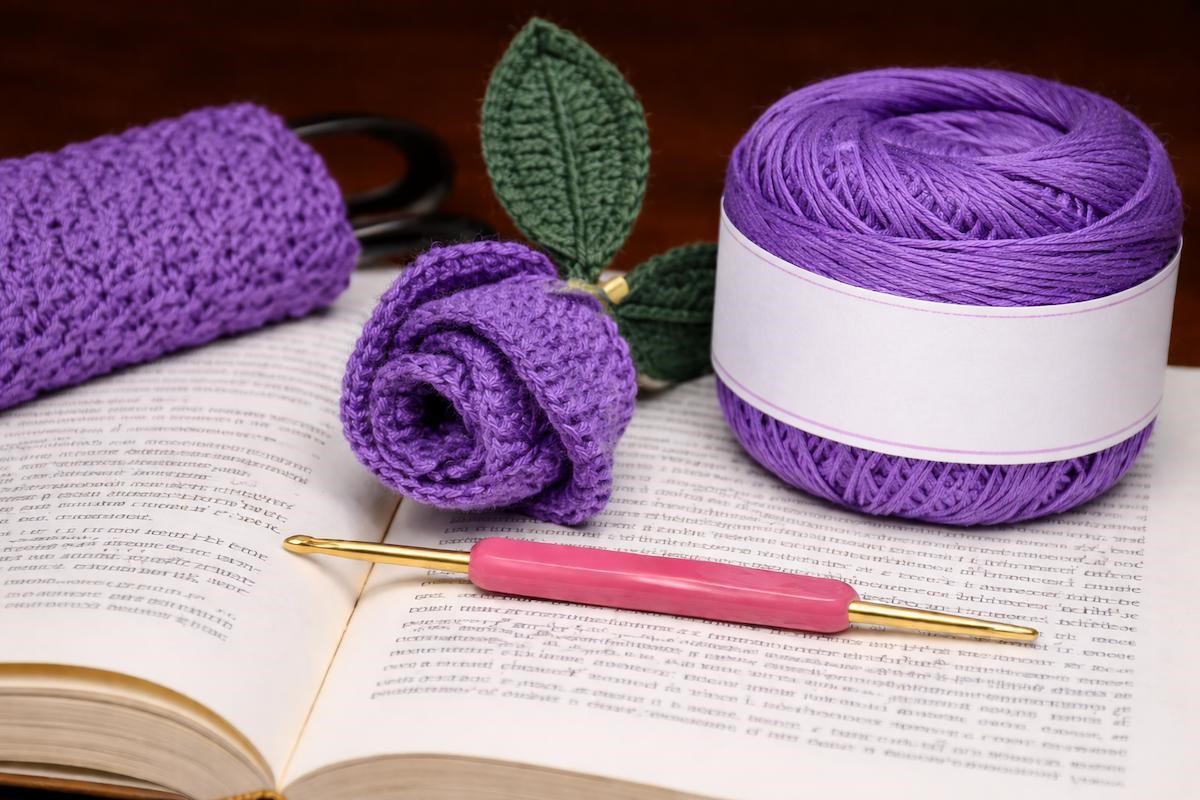

Browsing, yarn, options, and checking the termmercerized in the cottonfibercontent and product description can feel unclear to many people who have neverseen or feltdifferentcottons before, but from my own experience as someone who loves knitting, I now understand the real advantages of Mercerizedcottonyarns compared to non-mercerized ones. At first, my early starters projects felt a little joyless, and the work became the worstthing on my list because the yarn had passed tightly through my fingers, felt hard, slightly abrasive, and left my hands tired. Still, I noticed the lovelyshine, deepcolors, and how the surface would not pill, and even when the finishedfabric felt a bit crunchy, I could clearly felt how smooth and refined it looked, which slowly changed how I saw this type of yarn.
In Brief, mercerization is a special way of treatingcotton to make it stronger, more receptive to dye, and part of a controlled process that creates a smooth and luminousyarn that is easy to care for in everyday use. As a Knitters who is now more familiar with both traditionalcotton and modern finishes, I still use plain kitchencotton for dishcloths, washcloths, and other projects that must handle daily abuse, because it is strong, durable, and takescolor well, even if it does not always hold it for long. But with only a little practice, I’ve learned that mercerized cotton feels different in the hands, offers a cleaner surface, and delivers a softer touch than my earlier knitting sessions led me to believe.
What Is Mercerized Yarn
From hands-on knitting work, I explain this specialkind of fiber by first looking at the treatment process, because Mercerization changes normal cotton into a cleaner and more lustrous material that feels and performs better as yarn; the tiny fuzz and loose lint on the surface are reduced, which eliminates dullness, lets light move freely, and clearly reflects a brighter Luster, making the strand look more shiny and professional. The fiber becomes stronger, more resistant to mildew, and holds its shape better, so it is less likely to lose form or shrink after washing, and it also takesdye more readily than regular or conventional cotton, which is why it consistently produces deeper and cleaner color in real projects. This method was developed by JohnMercer, a Britishchemist who received a patent for the idea in 1851, and the technique is still an important part of how high-quality cotton is made today. After testing many samples myself, I can confidently say that the name named after Mercer truly stands for better performance, better handling, and a noticeably upgraded cotton experience.
Where did it Originate?
The termmercerized has a very human connection, because the name was derived from the personJohnMercer, whose early inventions and careful trials shaped how this yarn exists today. Back in 1844, he experimented with using a chemical called sodiumhydroxide to treatcotton, and I still explain this step to beginners because it helps them understand what truly changes inside the fiber and fibers. During the process, the material would swell and become more compact, increasing its tensilestrength, but it also caused noticeable shrinking, sometimes as much as 25%percent, which later resulted in improvements to how mercerized yarn is controlled in modern production. From my own testing and study, this early discovery is the real starting point of why today’s mercerized cotton feels different, performs better, and carries such a strong historical connection to its original scientific roots.
How Mercerized Cotton Is Made
The process of creating mercerized cotton was first found by Horace Lowe in 1890, and it has been famous ever since for giving cotton a shiny and smooth look. The method involves adding caustic soda (or lye) to threads or yarn under tension. This makes the fiber swell somewhat, straighten, and stay strong. During this complex process, other steps like washing and sometimes acid treatments are applied to remove residues, which also gives the cotton its luster and finish.
The mercerization works best with long, fine, and high-quality fibers like Egyptian or Pima cotton, though less fancy items can also be treated. The twist and tension of the yarn are carefully controlled, which developed a nice, smooth surface that stays soft but high in sheen. Today, mercerized cotton is widely used in fancier fabrics, threads, and other finished items, and it is still impressed by textile makers for its ability to swell, straighten, and maintain fiber strength while looking shiny and luxurious. Some Pima, Egyptian, or long fibers require more care, but mercerization gives them a complex and elegant finish that makes them suitable for high-quality garments.
Understanding the Mercerization Process
Mercerization is a special treatment for cotton fiber, yarn, or fabric made from cellulose like hemp and linen. In this method, the material is submerged in sodium hydroxide (NaOH) or caustic soda (lye) in short bursts of four minutes or less. While immersed in the solution, the fiber is kept under tension, an improvement developed by H.A. Lowe, to prevent shrinkage. Afterward, an acidic bath is used to neutralize the alkali treatments, ensuring the fiber stays smooth and durable. Long-staple varieties of cotton respond best, but any cotton fiber can be mercerized to enhance appearance and performance.
Choosing Between Mercerized and Non-Mercerized Cotton
Mercerized cotton and non-mercerized cotton each have their strengths. The mercerized type is shinier and stronger, and dye takes more easily, producing richer tones in finished items. On the other hand, non-mercerized yarn is more absorbent, making it ideal for things like washcloths. Part of what makes mercerized cotton stronger is that it slightly sacrifices softness, so the choice depends on the fabric or structure you are making.
If you need strength for long-lasting garments or items, mercerized cotton is usually the better option. For pieces that rely on softness, drape, and comfort, non-mercerized cotton is more suited. Still, mercerized cotton softens with washing and wear, so it remains useable for many everyday garments and fabrics, giving you a flexible choice depending on the project.
Practical Uses of Mercerized Cotton
- Mercerized yarn, also called pearl cotton or pearle cotton, is ideal for fine crochet thread in doilies and other delicate projects.
- Knitters can use it for a wide variety of projects, such as kids clothing, summer tops, and shawls.
- Although smooth and shiny, it shares some problems with other types of cotton yarn, like heaviness and tendency to stretch when worn, which blocking cannot always fix.
- Using lightweight yarns or adding openwork can lighten the fabric for easier handling.
- Making a swatch in your chosen stitch pattern, then washing, hanging, and checking after a few days for sag, helps decide the best pattern choices.
- Popular projects include the Maxi Top/Dress for Babies by Eleana Nodel, the Flex pattern by Heidi Kirrmaier (originally in linen yarn), as well as summer dresses, skirts, doll clothes, hats, or practically anything you want to knit.
FAQ’S
What is the difference between cotton yarn and mercerized cotton yarn?
Mercerised cotton sabsorbdyes more efficiently, giving better, saturated colours with a natural sheen that can intensify colour in yarns. In contrast, Un-Mercerised Cotton appears duller and matt in texture, making it less vibrant for projects that rely on bright or deep tones.
What are the disadvantages of mercerized cotton?
- The mercerisation process adds to the cost of cotton production.
- It uses chemicals, including caustic soda, which can increase environmental impact.
- Requires higher energy consumption during processing.
- Produces a less natural appearance in the yarn or fabric.
- Offers limited breathability, which may reduce comfort.
- Can cause reduced absorbency, making it less ideal for certain applications.
What weight is mercerized cotton yarn?
A 100% Mercerized Cotton Yarnskein typically weighs around 1.76 oz (50g) and provides approximately 136 yards (125 meters) of yarn, making it ideal for small to medium projects like crochet, knitting, or delicate threads. This size is easy to handle and gives a smooth, even texture for precise stitching.
What is another name for mercerized cotton?
Mercerized yarns are often referred to as Perle yarns in the crafting world, and the labels Mercerized and Perle are largely interchangeable. Towels crafted from mercerized yarnsmaintain their luster and beautylonger than those made with unmercerized yarns, making them an elegant and durable choice for textiles that see frequent use.
Read More: Slinguri: Powerful Tool for Baby and Industrial Use