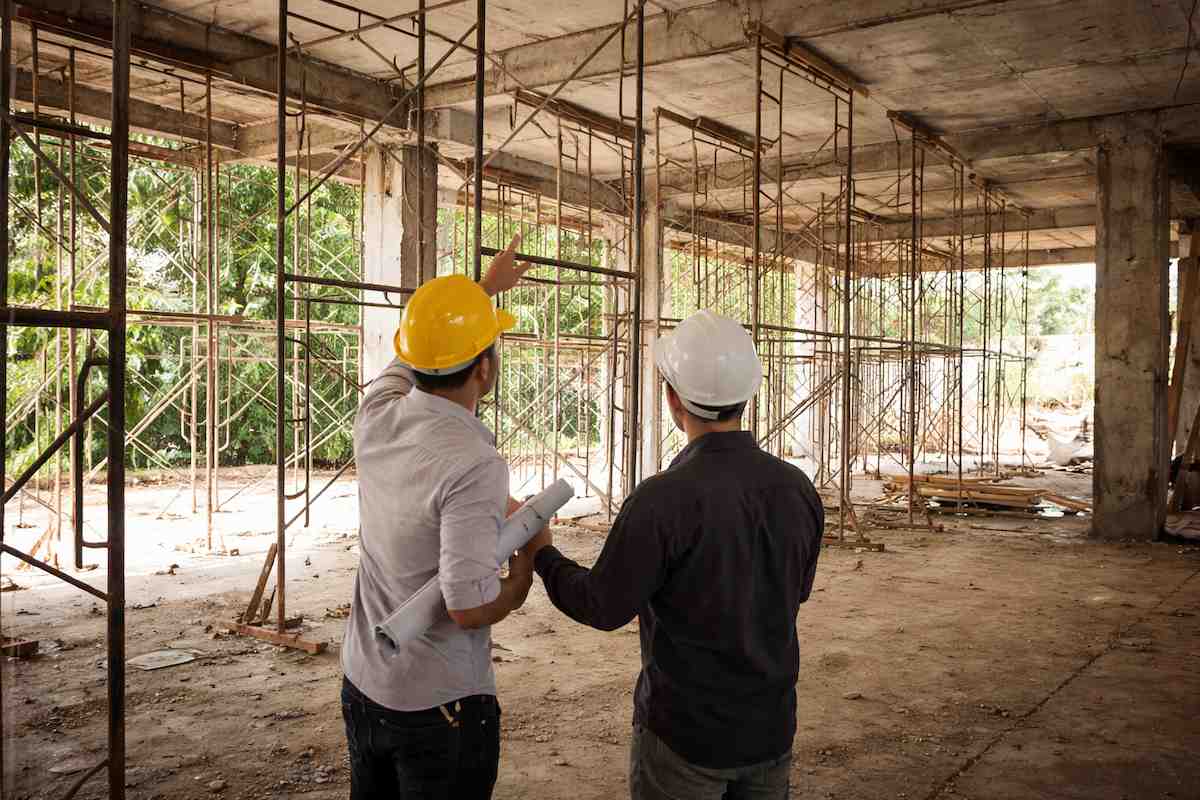

Working closely with a Stamford Design Build Remodeling Company, a homeowner usually starts with a simple idea like a home renovation or small remodel, but it often requires structural remodel work due to hidden issues like fire, storm damage, or old age. The goal is not just to improve home aesthetics, but to handle deeper changes through larger scale remodels that add real value. These changes can increase livable space, create light, and increase enjoyment, while also offering a strong return on investment. Many structural remodels ultimately benefit homeowners across places like Westchester counties and Fairfield counties, where property upgrades directly impact lifestyle and resale potential.
At the core, homeowners consider a structural remodel for many reasons, whether it’s to repair and maintain homes after damage from a storm or simply due to aging. Others want a more comfortable and valuable space by adding windows, changing design, or increasing living space. In doing so, they also address key concerns around structural integrity, which is essential in any structural remodeling project. When done right, the overall benefit goes beyond appearance it strengthens the home’s foundation while improving how it feels to live in every day.
Understanding the Core Idea
In simple terms, residential remodeling that truly changes a home often refers to a structural remodel, where the focus goes beyond surface updates and starts fixing, changing, removing, or adding key elements. These are not just any parts of a house—they are load bearing elements that carry a load, whether it is weight or pressure, and they directly affect safety and stability. From my experience, working on such projects means carefully handling posts, beams, and columns, along with critical areas like home walls and the foundation, since all these elements include the core structure that keeps the building standing strong.
The Importance of Load Bearing Elements in a Home
When doing a structural remodel, it’s crucial to understand how load bearing elements in your home handle weight and forces. Original architects and builders design walls, floors, ceilings, and the foundation to support both the structure and everything inside, including fully furnished floors. Environmental conditions like storms, rain, snow, or shifting soil can add extra pressure, so careful planning is needed. Experienced designers and builders assess these factors to prevent damage and ensure safety. For example:
- A second floor filled with furniture adds more weight than an empty one.
- Windstorms or heavy snow can put extra stress on roofs and walls.
- Soft or wet soil, like gumbo in Houston, can affect the foundation.
- Areas prone to earthquakes or hurricanes need additional precautions.
How Planning Shapes Structural Changes
- In real projects, structural remodeling starts with detailed planning, where even simple ideas like opening space or improving flow are shaped to fit everyday life.
- Many goals may feel straightforward, but achieving them needs proper thinking, especially when evaluating existing layouts and checking load-bearing elements.
- A key step is rethinking rooms so they can connect and function together in a smoother and more practical way.
- The process also includes designing new floorplans that support daily routines, making the home more useful day to day.
- Good results depend on coordinating structural changes with details like cabinetry, finishes, and systems.
- A strong level of planning helps avoid well-intended changes that create spaces that only look good but don’t live well.
- From experience, well-planned structural remodels always perform better and feel more natural to live in.
Understanding Different Structural Remodel Types
Many remodeling jobs may look simple at first, but once they require restructuring of the home, they fall under types of structural remodels. Any new project that involves changing, adding, or re-supporting key load bearing elements of a house is considered a structural remodel. These critical elements include parts like load bearing walls, as well as additions or supports connected to foundations, along with essential supports such as posts, beams, and columns, all of which play a major role in keeping the structure safe and stable.
Why Stress Load Bearing Elements in the Home?
When planning a structural remodel, you must check the load bearing elements in your home. In Westchester County and Fairfield County, homes are engineered, designed, built, and inspected to handle weight, additional floors, and heavy, wet snow. Walls, ceilings, attics, and floors need to withstand the elements and the extra weight from above to keep inhabitants safe.
If you are adding new areas or opening walls, a designer and builder must consider whether the floor will be fully furnished, have a bathroom or kitchen, and how that weight increase affects existing load bearing structures. Proper considerations during remodeling ensure the home stays inhabitable and strong.
Even small changes require careful planning. Each element must match the specifications and safety standards. By reevaluating the load points and building accordingly, you can make sure your home can safely bear the weight and remain a secure place for everyone.
Choosing the Right Team for Your Remodel
When planning a structural remodel, your Architect, Engineer, and Builder are crucial to success. Picking the right builders and remodeling company is paramount, especially for larger scale home projects. A well versed, experienced team that is connected with building codes, inspectors, and material providers ensures the project is planned and executed correctly. The risks of hiring the wrong team because of price, or trying to assemble your own team, can be devastating. I’ve seen poorly executed projects lead to cracked floors, walls, and ceilings, as well as difficult to open windows and doors, creating long-term headaches.
It’s also important that your remodeler evaluates the foundation to avoid serious damage. In worst scenarios, ignoring this can even cause fire, flooding, or collapse. Choosing a licensed, experienced home remodeler is one of the most important decisions you will make. A complete, careful approach with the right team ensures your project stays safe, sturdy, and truly successful, protecting your home and everyone living in it.
Key Concerns in Structural Remodeling
When considering a structural remodel, working with experienced builders or construction companies is critical to maintaining and improving the original structural integrity of your house. Even though building codes may seem restrictive, they are meant to protect property owners and reduce risk from wrath of local building authorities. Poorly executed structural changes can cause roof and foundation damage, uneven floors, wall cracks, door problems, and, in the worst cases, even collapses. Many homeowners don’t know which elements are designed to bear weight and pressure versus decorative functions, and that lack of training can lead to serious long-term consequences.
Making the right structural changes improves home strength, usefulness, and value. Removing an internal wall or cutting a bigger window without proper planning can leave the home vulnerable to damages, but the right steps taken by a licensed, experienced construction company ensures a safe, reliable, and durable result. Understanding which elements are critical to bear weight and carefully executing changes is what separates a solid remodel from a risky one.
Navigating Structural Remodeling Permits
Before you begin a structural remodel, it’s essential to obtain permits for your project. These permits depend on your local jurisdiction and make sure your work follows building codes, designed to protect public safety and safeguard your investment. While it’s the homeowner’s responsibility to acquire them, an experienced, licensed construction company can help you know exactly what is required and guide you to get everything in order.
Sometimes, specific neighborhoods have additional requirements. Your community homeowners association may need to review and approve the plans before work starts. By contacting your neighborhood, you can find out what they require to consider your request.
A trusted construction company will assist in preparing the necessary documents and ensuring your structural remodel meets all guidelines. Proper planning prevents delays and reduces the risk of mistakes that could compromise the home’s structural integrity.
Following the right steps ensures that every structural element is evaluated carefully. From submitting plans to acquiring approvals, this process keeps your remodel safe, legal, and successful, giving your home a stronger foundation for years to come.
Why Consider a Structural Remodel
Many homeowners opt for a structural remodel to both maintain the structural integrity of their home and to enhance its comfort and value. Projects like replacing warped struts, adding an extra window, or improving lighting can address existing issues while simultaneously creating new opportunities for modern design. A well-planned remodel balances safety, functionality, and aesthetics, ensuring that the home remains sturdy, efficient, and visually appealing over time.
Structural Repairs
Structural repairs focus on preserving or restoring the foundation, walls, floors, and supports that may have weakened due to wear, damage from storms, or aging materials. Common examples include foundation reinforcement, replacing wood supports affected by dry rot, and repairing masonry. Professional construction companies can restore historic homes to be as safe and sturdy as modern structures, while retaining classic features or blending in contemporary updates.
Structural Remodeling
Structural remodeling often involves intentional changes to improve the usability, comfort, and spatial design of a home. This can include removing walls for open floor plans, adding extra rooms or living space, or redesigning spaces to be more functional and visually appealing. Homeowners may incorporate energy efficiency upgrades, noise protection, and features tailored to long-term needs, like a larger master bedroom or additional rooms for growing families. A thoughtful remodel not only enhances daily living but also boosts the home’s market value.
Permits and Paperwork Considerations
Before starting any new construction or remodeling project, it’s essential to secure the proper permits and complete all necessary paperwork. These permits are issued based on codes and the type of construction required, designed to protect the public from potential catastrophes and to properly document the work for future owners and builders. A knowledgeable remodeling company can expedite this process by knowing who, where, and how to obtain the required documentation, making the process faster and smoother.
Obtaining permits often involves attending an architectural review, submitting paperwork, and filling forms correctly. If you are unsure about what documentation to provide, this process can take as long, or even longer, than the construction itself. Relying on an experienced company ensures that your remodeling project stays compliant, legal, and organized from start to finish.
Structural Remodeling Beyond Repairs
- Larger windows, bay windows, and skylights
Adding or expanding windows improves natural lighting and ventilation in living areas, making the home feel brighter and more open.
- Open concept living areas
Removing walls to create a continuous living area enhances the flow, usability, and aesthetic appeal of your home.
- New rooms and storage
Creating additional rooms or increasing storage capacity makes the home more functional and adaptable for growing families or changing needs.
- Design reconfigurations
Moving a kitchen or bath can modernize your home, improve workflow, and allow better use of space while maintaining structural support remodels.
- Energy efficiency projects
Installing insulation, solar, or geothermal systems enhances the home’s energy efficiency, reduces costs, and makes the living areas more comfortable year-round.
Making Structural Remodeling Feel Simple
Even when walls are being taken down or layouts are adjusted, the remodeling process doesn’t have to feel overwhelming. With careful planning, solid guidance, and experienced oversight, structural remodels can move forward in a methodical and purposeful way, keeping everything organized and on track.
A successful structural remodel isn’t just about what is removed; it’s about what is built in its place. The goal is a home that flows smoothly, functions efficiently, and supports the way your family lives, creating a balance between safety, comfort, and modern living needs.
FAQ’S
What does structural renovation mean?
Structural renovations are changes made to the load-bearing elements of a home, including walls, foundations, and beams. They can be cosmetic, such as opening a wall to create a larger open floor plan, or essential updates to boost safety and stability.
What are the four types of remodeling?
| Project Type | Description |
| Kitchen Remodel | Modernizing the kitchen by upgrading appliances, cabinets, and countertops for style and functionality. |
| Bathroom Remodel | Enhancing bathroom spaces by improving fixtures, layouts, and finishes to create a fresher, more efficient design. |
| Room Addition | Adding new space to your existing home to expand living areas or create specialized rooms. |
| Exterior Remodeling | Boosting curb appeal by enhancing the home’s exterior with updated siding, windows, or roofing. |
What devalues a house the most?
- Rough renovations
Sloppy or unfinished updates that make the home feel neglected and inconsistent.
- Unusual renovations
Odd or overly personalized changes that may not appeal to most people and could reduce equity.
- Extreme customization
Highly specific design choices that limit future flexibility and resale value.
- Untidy exterior
Neglected landscaping, messy facades, or worn-out siding that create a poor first impression.
- Skipped daily upkeep
Ignoring routine maintenance tasks can lead to long-term damage and lower overall value.
Read More: Lustmap24: Unleash Your Ultimate Exploration